Evaluating the Q Letter Vine Monogram Flower for Embroidery Projects
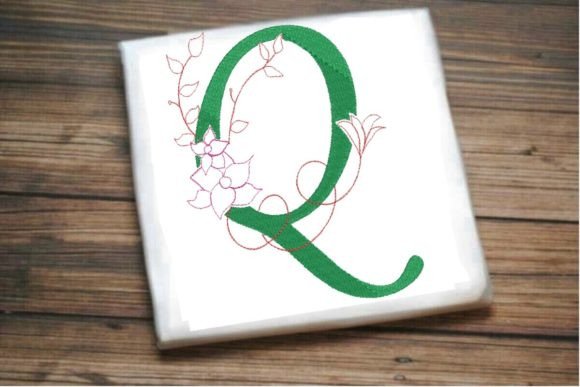
When selecting machine embroidery designs, particularly monograms, the balance between legibility and decorative flair is often the most critical factor. The Q Letter Vine Monogram Flower represents a specific category of digitized patterns that merges traditional typography with organic botanical elements. This design style features the letter "Q" intertwined with climbing vines, creating an aesthetic that is both classic and whimsical. For hobbyists and professionals alike, understanding the nuances of this specific motif compared to other monogram styles is essential for ensuring the final product meets both visual expectations and technical requirements.
The core appeal of the Letter Vine Monogram lies in its ability to soften the rigid structure of alphabet letters. By incorporating gracefully entwined climbing plants, the design adds a layer of natural beauty that can transform a simple initial into a piece of art. However, before integrating this pattern into a project, it is important to evaluate how its complexity compares to simpler alternatives and whether it suits the intended fabric and application.
Design Characteristics and Aesthetic Distinction
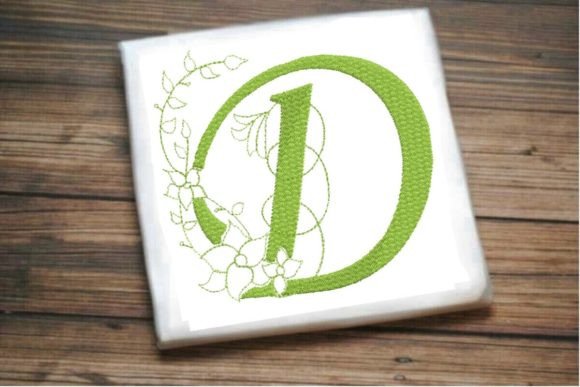
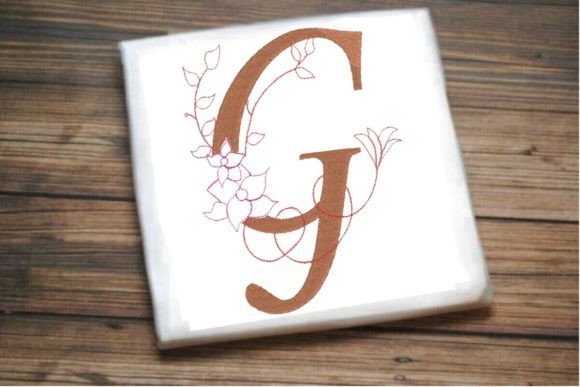
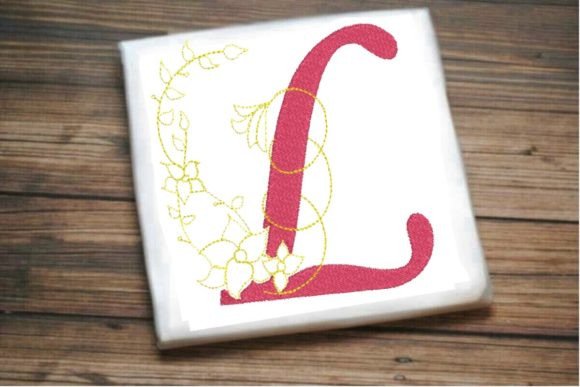
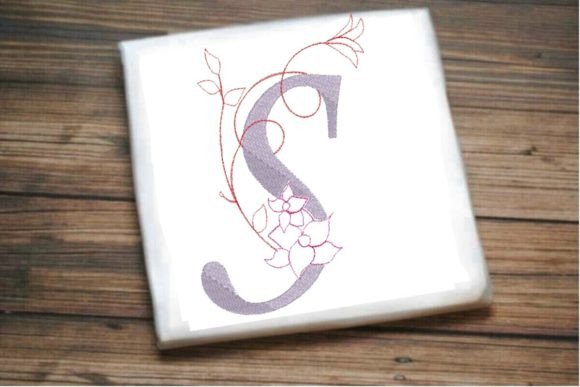
The Q Letter Vine Monogram Flower is distinct because it does not treat the vine merely as a border; instead, the foliage is integral to the letter's formation. In many variations of this style, the tail of the "Q" extends naturally into a vine stem, while leaves and small floral accents fill the negative space or frame the character. This approach differs significantly from standard block monograms or script fonts where decoration is often an afterthought or strictly confined to the perimeter.
This integration offers a charming and decorative touch, making it highly suitable for items where a soft, romantic, or rustic vibe is desired. Common applications include heirloom baby blankets, bridal linens, tote bags, and home décor pillows. The organic lines of the vines help break up the visual weight of the letter, preventing the monogram from appearing too heavy or industrial on delicate fabrics.
However, the intricacy of the vines introduces variables that must be considered during the selection process. Unlike a plain satin-stitch letter, which relies on smooth, continuous runs, a vine-heavy design utilizes a mix of stitch types—often including fill stitches for leaves, running stitches for stems, and potentially small detail stitches for flowers. This variety adds texture but also increases the total stitch count and execution time.
Comparing Complexity: Vine Styles vs. Minimalist Alternatives
When evaluating the Q Letter Vine Monogram Flower against other options, the primary trade-off is between decorative richness and stitching efficiency. Minimalist monograms, such as simple sans-serif or clean script designs, are generally faster to stitch and more forgiving on textured or stretchy fabrics. They require fewer thread changes and less precise hooping.
In contrast, the vine monogram approach demands higher precision. The intertwining nature of the design means that registration errors (where layers of stitching do not align perfectly) are more visible than they would be in a solid block letter. If a leaf shifts slightly over the letter stem due to fabric movement, the clarity of the "Q" can be compromised. Therefore, this style is best reserved for stable, woven fabrics like cotton, linen, or high-quality poly-cotton blends rather than slippery silks or highly elastic knits unless proper stabilization techniques are employed.
Another comparison point is scalability. Simple monograms can often be resized significantly without losing definition. With the Letter Vine Monogram, there is a lower limit to how small the design can be stitched effectively. If reduced too much, the fine details of the vines and flowers may merge into a single mass of thread, obscuring the letter itself. Users should always check the minimum size recommendations provided with the digital file to ensure the design remains legible at their desired dimensions.
Technical Considerations and File Formats
From a technical standpoint, the utility of any machine embroidery design depends heavily on the available file formats. The Q Letter Vine Monogram Flower typically comes in multiple formats to accommodate various embroidery machines, such as PES, DST, EXP, JEF, and XXX. This versatility is a significant advantage, allowing users to select the native format for their specific hardware, which often results in smoother stitching and better command over machine functions like thread trimming and color changes.
It is crucial to verify that the purchased or downloaded design includes the correct format for your machine before beginning. While conversion software exists, converting files can sometimes alter stitch density or sequence, potentially affecting the quality of intricate vine details. Using the native format ensures that the digitizer's original intent regarding underlay, pull compensation, and stitch order is preserved.
Furthermore, the digitizing quality of the vine elements plays a pivotal role in the outcome. High-quality versions of the Q Letter Vine Monogram Flower will feature optimized underlay stitches to prevent the fabric from puckering under the weight of the foliage. Lower-quality conversions might lack sufficient underlay, leading to distortion, especially when using metallic or rayon threads which have different tension properties than standard polyester.
Ideal Use Cases and Limitations
Determining when to use the Q Letter Vine Monogram Flower versus a different style depends largely on the project's purpose and the recipient's taste. This design excels in contexts where personalization meets decoration. For instance, it is an excellent choice for wedding gifts, where the romantic connotation of vines and flowers complements the occasion. It is also well-suited for nursery decor, where the soft, natural imagery aligns with common themes for children's rooms.
Conversely, there are scenarios where this style may not be the optimal choice. For corporate branding or items requiring a modern, sleek look, the ornate nature of the vine monogram might appear too informal or dated. Additionally, for projects that will undergo frequent, harsh washing (such as work uniforms or pet bedding), a simpler, denser stitch pattern might offer greater durability. The fine points of vine tips and small flower petals are more susceptible to wear and fraying over time compared to a solid, filled letter.
Users should also consider the thread palette. While the design looks stunning in tonal shades (e.g., forest green vines on a sage background), it can also pop with contrasting colors. However, too many color changes in a small area can clutter the design. A practical approach is to limit the palette to two or three complementary colors to maintain the elegance of the entwined elements without creating visual chaos.
Making an Informed Decision
Ultimately, choosing the Q Letter Vine Monogram Flower is a decision based on balancing aesthetic goals with technical capabilities. If your priority is a design that feels handcrafted, organic, and deeply decorative, this style offers a compelling solution that standard fonts cannot match. Its ability to blend the elegance of letters with the natural beauty of climbing plants provides a unique visual identity for your projects.
However, success with this design requires attention to detail. It demands appropriate fabric selection, rigorous stabilization, and an appreciation for the time required to stitch complex details. For those willing to invest the extra care, the result is a sophisticated monogram that elevates the perceived value of the finished item. For quick projects or unstable materials, a simpler alternative may serve the purpose better.
As you explore different resources and patterns, remember that the best design is the one that fits your specific machine, fabric, and vision. Keeping an eye on updates for new models and variations of the Letter Vine Monogram can also provide fresh inspiration, as digitizers frequently refine these patterns to improve stitch quality and expand size ranges. By weighing the decorative benefits against the practical constraints, you can confidently decide if this enchanting design is the right fit for your next embroidery endeavor.