Evaluating the D Letter Vine Monogram Flower for Personalized Embroidery Projects
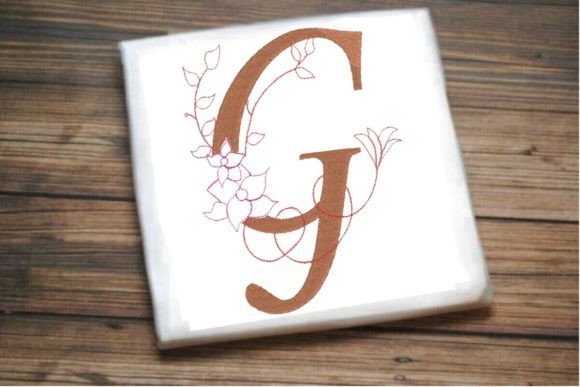
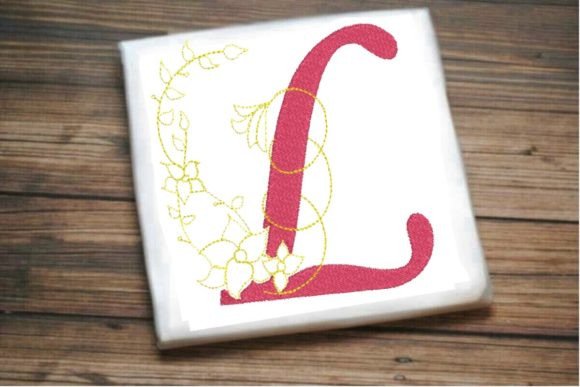
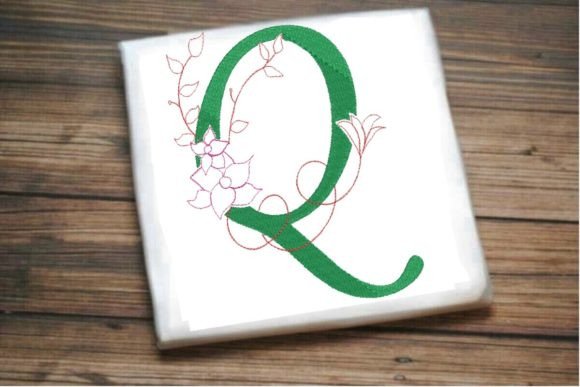
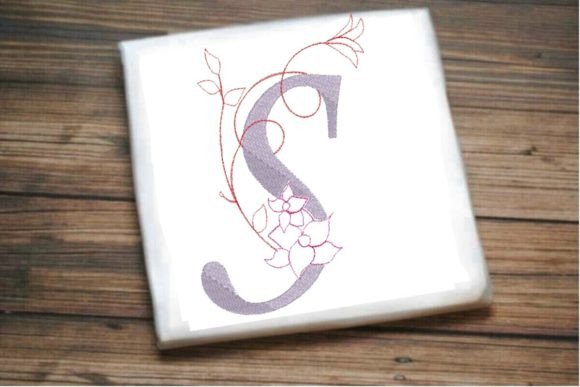
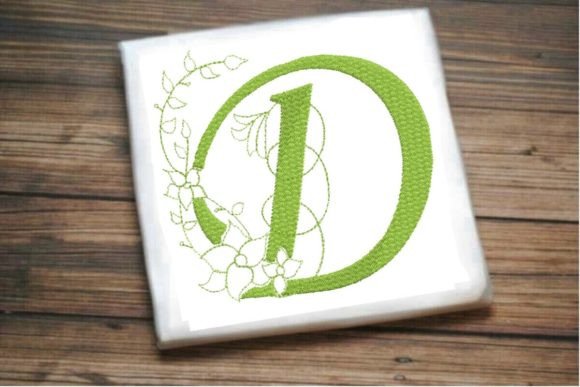
For enthusiasts of machine embroidery, selecting the right digitized design is often a balance between aesthetic appeal and technical feasibility. The D Letter Vine Monogram Flower represents a specific category of embroidery patterns that merges typographic elements with botanical motifs. This design features the capital letter "D" intricately intertwined with climbing vines and floral accents, creating a cohesive unit rather than simply placing a flower next to a letter. Understanding the nuances of this specific style is essential for hobbyists and professionals alike who aim to elevate their personalization projects beyond standard block fonts.
The distinct characteristic of the D Letter Vine Monogram Flower lies in its organic flow. Unlike rigid, geometric monograms that rely on sharp angles and uniform spacing, this design utilizes the natural curvature of vines to soften the structure of the letter. The vines do not merely surround the character; they often form part of the letter's strokes or weave through the negative space. This integration requires a higher level of digitizing precision to ensure that the thread density supports the delicate tendrils without causing puckering or breakage. When evaluating this design against other options, one must consider how this complexity translates to different fabric types and hoop sizes.
Comparing Organic Monograms to Traditional Styles
When researching embroidery resources, users typically encounter two primary categories of monogramming: traditional formal scripts and modern organic designs. The D Letter Vine Monogram Flower falls firmly into the latter. Traditional monograms often prioritize legibility above all else, using bold serifs or clean sans-serif lines that are easy to stitch out on thick materials like towels or denim. In contrast, the vine-based approach prioritizes decorative elegance.
A key trade-off exists between these styles. While a standard block "D" might be completed in 3,000 stitches and take ten minutes, a detailed vine monogram can easily exceed 6,000 to 8,000 stitches depending on the density settings and the number of floral elements included. This increase in stitch count impacts production time and thread consumption. For someone running a small business fulfilling large orders, the time difference is a critical decision factor. However, for a heirloom project, such as christening wear or a wedding handkerchief, the extra time invested in the D Letter Vine Monogram Flower yields a significantly more sophisticated result that justifies the effort.
Furthermore, the visual weight of the design differs. Traditional monograms can sometimes appear heavy or imposing on lightweight fabrics. The vine motif distributes the visual weight more evenly across the design area, making it an excellent choice for delicate materials like linen, chiffon, or fine cotton where a bulky design would distort the drape of the fabric.
Technical Considerations and File Compatibility
One of the practical advantages of purchasing a professionally digitized D Letter Vine Monogram Flower is the availability of multiple file formats. Machine embroidery is not standardized; brands like Brother, Janome, Bernina, and Husqvarna all utilize proprietary file extensions (such as .PES, .JEF, .EXP, or .VIP). A high-quality resource will provide the design in a comprehensive suite of formats, ensuring compatibility regardless of the hardware you own.
However, file format is only the beginning of the technical evaluation. Users must also assess the scalability of the design. Some vine monograms are digitized for a specific size range, perhaps optimized only for hoops between 4x4 inches and 5x7 inches. Attempting to resize a complex vine design too small can result in the loss of fine details, where thin vine stems merge into a solid mass of thread. Conversely, enlarging the design beyond its intended parameters can create unsightly gaps between stitches. Before committing to this design style, it is prudent to verify the recommended size limits provided by the designer.
Stabilizer selection is another crucial variable. Because the D Letter Vine Monogram Flower involves varied stitch directions—satin stitches for the letter and likely fill or running stitches for the vines—it reacts differently to tension than a uniform design. A cut-away stabilizer is generally recommended for garments that will undergo frequent washing, as it provides permanent support for the intricate vine work. Tear-away stabilizers might be sufficient for wall hangings but could compromise the longevity of the design on wearable items.
Ideal Use Cases and Project Suitability
Determining when to use the D Letter Vine Monogram Flower depends largely on the intended recipient and the item being embellished. This design shines in contexts where personalization meets nature-inspired themes. It is particularly well-suited for:
- Wedding Linens: The romantic aesthetic of climbing vines complements bridal themes perfectly, making it ideal for guest book pillows or cake serving sets.
- Nursery Decor: Soft, organic shapes are less intimidating for children's rooms compared to stark, geometric letters. A vine-adorned "D" works beautifully on baby blankets or nursery name signs.
- Garden-Themed Apparel: For tote bags or aprons used in gardening clubs or botanical events, this design reinforces the theme visually.
- Memorial Items: The timeless quality of vine motifs makes them appropriate for commemorative quilts or memory bears.
Conversely, there are scenarios where this design may not be the optimal choice. If the goal is high-visibility branding on a work uniform where quick readability from a distance is required, a simpler, bolder font would be more effective. Similarly, on textured fabrics like terry cloth towels, the fine details of the vines might get lost in the loops of the fabric unless a very dense underlay is used, which can make the design feel stiff.
Making an Informed Decision
Choosing the right embroidery design is a process of matching artistic vision with practical constraints. The D Letter Vine Monogram Flower offers a unique blend of elegance and nature that stands out in a sea of generic fonts. Its strength lies in its ability to transform a simple initial into a piece of art. However, this comes with the responsibility of careful material selection and an understanding of the increased stitch time involved.
Before downloading or purchasing, consider reviewing the stitch simulation if available. This allows you to see the order of color changes and the direction of the stitching, which is vital for planning your thread palette. Additionally, checking user reviews or galleries where others have stitched out the same file can provide real-world insights into how the design performs on different machines.
Ultimately, the D Letter Vine Monogram Flower is a versatile resource for those willing to invest a bit more time for a premium look. It bridges the gap between classic monogramming and modern botanical trends. By understanding its technical requirements and ideal applications, embroiderers can confidently integrate this design into their repertoire, ensuring that the final product is both beautiful and durable. Whether you are updating a home decor collection or creating personalized gifts, this style offers a refined alternative to standard lettering, provided the project parameters align with its detailed nature.
For those interested in expanding their library with similar high-quality patterns, keeping an eye on reputable design stores for new model updates is advisable. As digitizing techniques evolve, newer versions of vine monograms may offer improved stitch efficiency or additional size variations, further enhancing their utility for diverse projects.