Evaluating the L Letter Vine Monogram Flower for Embroidery Projects
Selecting the right digitized design for machine embroidery involves more than just picking a pretty image; it requires an understanding of how specific styles interact with different fabrics, machines, and end-use applications. The L Letter Vine Monogram Flower represents a distinct category within monogramming known as botanical or nature-inspired script. This style features the letter "L" constructed from or adorned with gracefully entwined climbing vines, often incorporating floral elements to soften the geometric structure of the alphabet. For embroiderers ranging from hobbyists to small business owners, understanding the nuances of this design type is essential for determining whether it fits a specific project requirement or if a alternative style would yield better results.
Defining the Aesthetic and Structural Characteristics
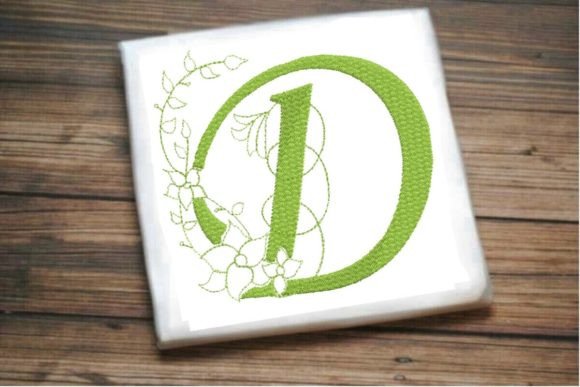
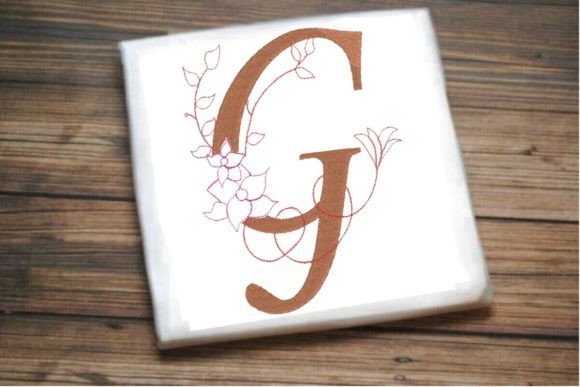
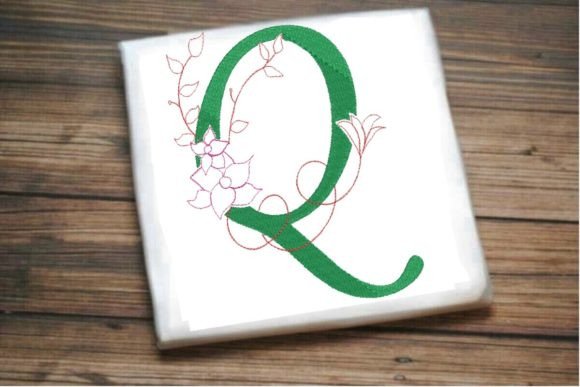
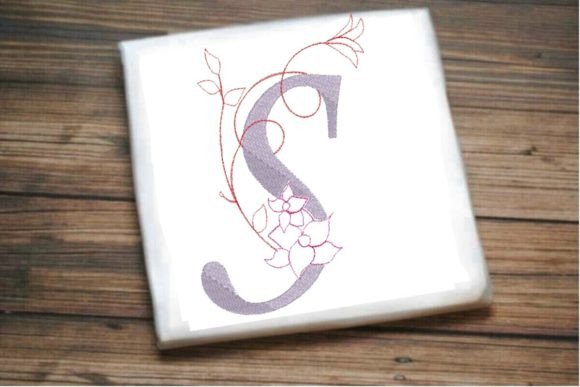
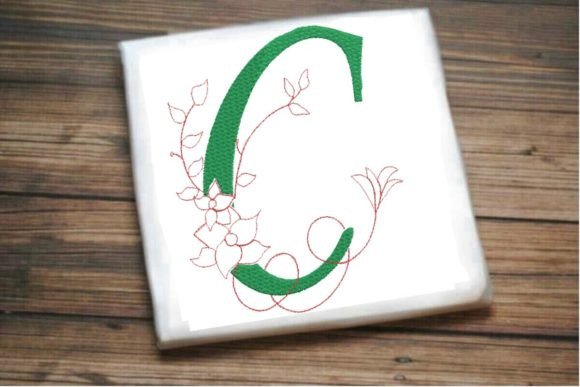
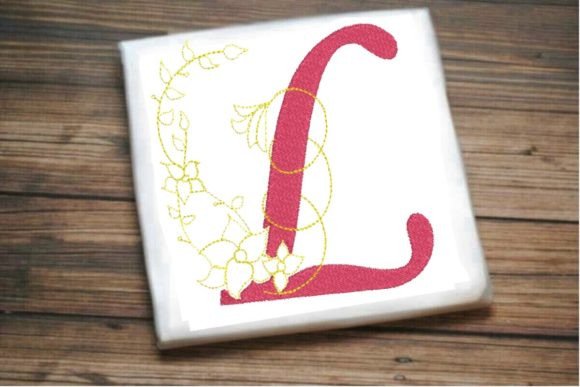
The primary appeal of the L Letter Vine Monogram Flower lies in its organic fluidity. Unlike traditional block monograms or rigid serif fonts, this design mimics the growth patterns of nature. The vines serve a dual purpose: they act as the structural body of the letter while providing decorative flourishes that extend beyond the standard character boundaries. This creates a visual effect that is both elegant and whimsical.
From a technical standpoint, these designs often utilize a combination of satin stitches for the thicker vine sections and finer fill or running stitches for delicate leaves and flower petals. The "climbing" aspect implies a vertical orientation or a flowing baseline, which distinguishes it from circular or stacked monogram layouts. When evaluating this design, one must consider the density of the stitching. High-quality versions of the L Letter Vine Monogram Flower will balance stitch count with fabric coverage to prevent puckering, a common issue when dense botanical details are applied to lightweight materials.
Comparative Analysis: Botanical vs. Traditional Monogram Styles
To make an informed decision, it is helpful to compare the vine-based approach against other prevalent monogram categories. The choice often depends on the desired tone of the finished product and the capabilities of the embroidery machine being used.
- Botanical/Vine Styles: As seen in the L Letter Vine Monogram Flower, these offer a soft, romantic, and natural aesthetic. They are ideal for home decor, bridal gifts, and spring-themed apparel. However, they can be challenging on stretchy fabrics due to the complexity of the turning points in the vines.
- Classic Serif and Sans-Serif: These designs prioritize legibility and structure. They are generally more durable for high-wear items like work uniforms or children's clothing because they lack the fine, protruding details of vines that might snag.
- Script and Calligraphy: While also flowing, script fonts focus on the connection between letters rather than external decorative elements. A vine monogram adds texture and dimension that pure script lacks, making it more decorative but potentially less readable at very small sizes.
- Appliqué Monograms: Some users may consider appliqué as an alternative to achieve a similar layered look without the high stitch count of a fully embroidered vine. While appliqué reduces thread usage, it requires additional steps like cutting and positioning fabric, whereas the L Letter Vine Monogram Flower is typically a "stitch-and-go" digital file.
Technical Considerations and Machine Compatibility
One of the most critical factors in adopting the L Letter Vine Monogram Flower is file format compatibility. Embroidery machines from different manufacturers require specific file extensions to read the stitch data correctly. Professional digitizers usually provide a suite of formats to ensure broad usability. When sourcing this design, verify that the package includes formats relevant to your equipment, such as:
- PES: Standard for Brother and Baby Lock machines.
- DST: A universal industry standard often used by Tajima and commercial multi-head machines.
- JEF: Specific to Janome models.
- XXX: Required for Singer and some older Compucon systems.
- HUS/VIP: Necessary for Husqvarna Viking users.
Using the incorrect file format can lead to distorted shapes, missing stitches, or machine errors. Furthermore, the size scalability of the design is a vital consideration. Because the L Letter Vine Monogram Flower relies on fine details like tiny leaves and thin vine tendrils, resizing the design significantly smaller than the digitizer intended can cause these elements to merge or disappear entirely. Conversely, enlarging the design too much without re-digitizing can result in visible gaps between stitches, compromising the solid appearance of the vines.
Ideal Use Cases and Material Pairings
Determining when to use this specific monogram style depends heavily on the substrate. The intricate nature of climbing vines pairs exceptionally well with stable, medium-weight fabrics. Cotton twill, denim, linen, and canvas provide the necessary support to hold the complex stitch paths without distortion. In these contexts, the L Letter Vine Monogram Flower adds a sophisticated, custom touch to tote bags, throw pillows, table runners, and jacket backs.
However, there are limitations. Applying this design to highly elastic materials like jersey knit or performance athletic wear requires caution. The long, sweeping stitches of the vines may not have enough give to move with the fabric, leading to popped stitches or fabric gathering. In such scenarios, a simpler, less dense monogram or a specialized stretch-font design might be a more practical alternative. Additionally, for items that will undergo frequent industrial washing, such as hotel linens or restaurant uniforms, the raised texture of the floral elements might be prone to faster wear compared to flat, block lettering.
Evaluating Quality and Decision Factors
When researching options for the L Letter Vine Monogram Flower, several quality indicators should guide your selection process. Not all digitized files are created equal; a poorly digitized vine pattern can result in excessive thread breaks and frustrating production times.
Key evaluation criteria include:
- Stitch Density: Check if the preview shows overlapping stitches that are too dense, which can cause needle deflection.
- Underlay Usage: High-quality designs utilize proper underlay stitches to stabilize the fabric before the decorative vines are stitched, ensuring a smooth finish.
- Trim Points: Efficient designs minimize the number of times the machine needs to stop for thread trims, streamlining the production process.
- Visual Flow: The transition from the letter form to the vine elements should look intentional and balanced, not cluttered.
For those managing a small business, the versatility of the design is also a financial factor. A design that works well on both towels and hats offers better return on investment than one limited to a single application. The L Letter Vine Monogram Flower often strikes a balance here, provided the size is adjusted appropriately for the hoop capacity of the machine.
Making the Final Choice
Ultimately, the decision to utilize the L Letter Vine Monogram Flower comes down to the intersection of aesthetic goals and technical constraints. If the project demands a touch of natural elegance and the fabric chosen can support detailed stitching, this design offers a superior alternative to standard fonts. It transforms a simple initial into a piece of art, leveraging the beauty of climbing plants to create a unique visual identity.
However, if durability under harsh conditions or extreme legibility at minute sizes is the priority, exploring simpler alternatives may be prudent. By weighing the trade-offs between decorative complexity and functional resilience, embroiderers can select the right tool for the job. Whether updating a personal collection of designs or sourcing assets for client work, ensuring access to multiple file formats and understanding the specific behavior of vine-based stitching will lead to professional, satisfying results. For ongoing access to varied models and updates on new botanical iterations, maintaining a connection with reliable design sources ensures your library remains current and versatile.