Zinnia Font: Hand-Drawn Style for Creative Projects
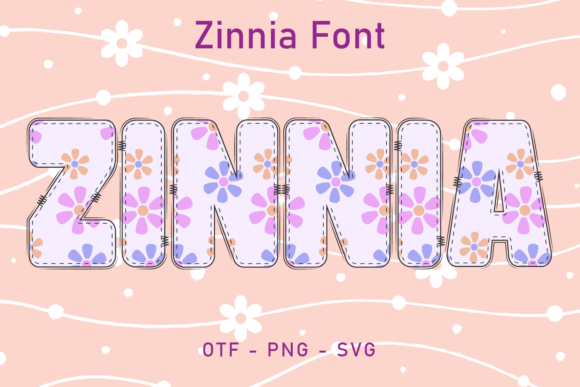
In the world of graphic design and personal crafting, typography often serves as the voice of a project. It sets the tone before a single image is processed or a product is cut. Zinnia stands out in this crowded landscape as a lovely and beautifully designed color font that brings a distinct sense of warmth and personality to any creation. Unlike standard typefaces that rely on solid fills and rigid geometry, Zinnia is hand-drawn, with letters full of patterns that represent the day of lovely. This unique characteristic makes it an invaluable tool for creators who need to infuse their work with organic charm without sacrificing professional quality.
For professionals and hobbyists alike, the primary value of Zinnia lies in its ability to bridge the gap between digital precision and human touch. When you are designing invitations for a wedding, creating branding materials for a boutique, or drafting social media graphics for a lifestyle blog, the choice of font can determine whether the audience feels a connection. Zinnia offers trendy handwritten, display, and decorative styles that are perfectly suited for invitations, logos, posters, and more. By utilizing a typeface that mimics the imperfections and flow of actual handwriting, you signal authenticity to your audience, a trait that is increasingly prized in modern marketing and communication.
Enhancing Visual Communication Through Patterned Design
The defining feature of Zinnia is its internal complexity. Each character is not merely a shape but a canvas filled with intricate patterns. This design choice solves a common problem for designers: how to add texture and visual interest without cluttering the layout with extra elements. When you use Zinnia, the font itself becomes the decoration. This simplifies the design process, allowing you to achieve a high-end, custom look with fewer layers and less time spent sourcing additional textures or overlays.
Consider the practical application for a small business owner launching a new line of artisanal soaps or handmade jewelry. A logo rendered in a standard sans-serif font might feel too corporate or sterile. However, using the decorative styles found in Zinnia immediately communicates craftsmanship and care. The patterns within the letters suggest attention to detail, mirroring the care put into the products themselves. For marketers and bloggers, this font can elevate simple text-based posts into engaging visual content that stops the scroll. The "day of lovely" aesthetic embedded in the letterforms creates an emotional resonance that plain text simply cannot achieve.
Practical Applications Across Different Mediums
Versatility is crucial when investing in design assets. Zinnia supports a wide range of use cases, from formal event stationery to casual digital content. For educators and publishers, the handwritten style can make educational materials feel more approachable and less intimidating for students. In the realm of event planning, invitations printed with Zinnia set a welcoming tone before the guest even arrives. The font's ability to function as both a display header and a decorative accent allows for creative flexibility in poster design and packaging.
Entrepreneurs and freelancers will find particular value in how Zinnia strengthens brand identity. Consistency in visual language builds trust. By adopting a distinctive typeface like Zinnia across various touchpoints—business cards, website headers, and product labels—you create a cohesive brand experience. The organic nature of the hand-drawn lines ensures that the brand feels human-centric, which is essential for service-based businesses and creators who sell directly to consumers.
Navigating Technical Compatibility and Workflow
While the aesthetic benefits of Zinnia are clear, understanding the technical specifications is vital for a smooth workflow. This font family is unique because it offers different versions tailored to specific tools and outputs. It is important to distinguish between the black version and the color version to ensure compatibility with your chosen software and hardware.
The black version of this font is fully compatible with Cricut Design Space and other cutting machines. This makes it an excellent choice for crafters who intend to use vinyl cutters for decals, heat transfer projects, or paper crafts. If your primary goal is physical production using die-cutting technology, the black version provides the clean vector paths necessary for precise cutting. You can create intricate stickers, custom apparel designs, and home decor items with confidence, knowing the file structure supports the mechanical requirements of these machines.
However, the color version operates differently. Note that the color version of this font is only compatible with certain design programs including PhotoShop, Illustrator, Silhouette Studio (specifically versions supporting color fonts), and Inkscape. These programs can render the internal patterns and multiple colors embedded within the font files. This version is ideal for digital design, print-ready PDFs, and high-resolution imagery where the full artistic intent of the patterned letters needs to be preserved.
A critical limitation to keep in mind is that the OTF and or TTF files of the color version are not compatible with Cricut Design Space for cutting purposes. Attempting to use the color files in a cutting machine environment may result in errors or the software treating the font as a standard single-color outline, defeating the purpose of the color design. For users who need both capabilities, the recommended workflow is to utilize the black version for physical cutting projects and the color version for digital mockups, web graphics, and professional printing. For more information on how to use this type of font please check our Ultimate Font Guide, which provides detailed instructions on installation and troubleshooting across different platforms.
Making the Right Choice for Your Project
Selecting the right version of Zinnia depends largely on your end goal. If you are a blogger creating Pinterest graphics or an Instagram influencer designing story highlights, the color version used within Photoshop or Illustrator will yield the most stunning results. The rich patterns will pop against backgrounds, adding depth to your visual storytelling. Conversely, if you are a teacher making classroom decorations or a parent organizing a birthday party using a cutting machine, the black version is the pragmatic choice that ensures your designs translate perfectly from screen to physical material.
It is also worth considering the legibility of decorative fonts in different contexts. While Zinnia is beautiful, its intricate patterns make it best suited for headlines, short phrases, and logos rather than long body text. Using it for large blocks of copy could reduce readability, especially at smaller sizes. A thoughtful approach involves pairing Zinnia with a clean, simple sans-serif or serif font for body content. This contrast allows the decorative qualities of Zinnia to shine as an accent while maintaining clarity for the main message.
Ultimately, Zinnia represents more than just a set of characters; it is a resource for enhancing creativity and efficiency. By providing a pre-designed, pattern-rich aesthetic, it saves time that would otherwise be spent manually illustrating lettering. Whether you are strengthening communication through warm, inviting visuals or solving the problem of bland branding, this font offers a practical solution. Its dual-nature availability ensures that whether you are working digitally or physically, there is a version of Zinnia ready to support your goals. By understanding its strengths and technical requirements, you can leverage this tool to produce work that is not only visually appealing but also professionally executed and emotionally resonant.