Unlocking Visual Elegance with the Morocco Decorative Font
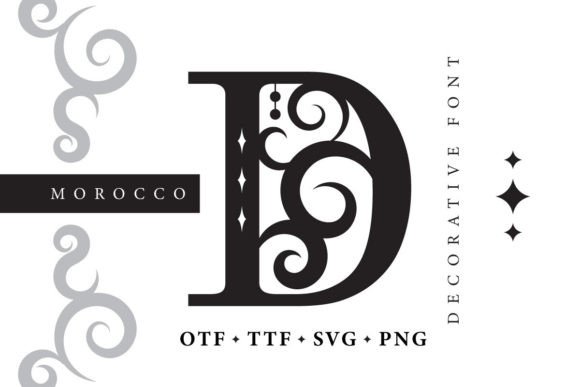
In the vast landscape of graphic design, typography often serves as the silent ambassador for a brand's identity. While clean sans-serifs dominate corporate reports and legible serifs fill the pages of novels, there exists a specific niche where artistry takes precedence over pure utility. This is the realm of decorative fonts, and few capture the essence of ornamental beauty quite like Morocco. More than just a collection of characters, Morocco is an organic and beautiful decorative font that brings a sense of history, culture, and intricate craftsmanship to any project it touches.
Designers are constantly searching for typefaces that do more than simply convey words; they seek fonts that tell a story before a single sentence is read. Morocco fits this description perfectly. Featuring lovely ornaments and a distinctively fluid structure, it stands out as an incredible asset to your fonts library. Whether you are designing a wedding invitation, a boutique logo, or a cultural event poster, this font has the potential to elevate any creation from standard to spectacular.
The Organic Nature of Ornamental Typography
What truly sets Morocco apart in a crowded marketplace of digital typefaces is its organic feel. Many decorative fonts suffer from being too rigid or overly geometric, losing the human touch that makes handwriting and calligraphy so appealing. Morocco avoids this pitfall by embracing irregularity and flow. The strokes mimic the natural movement of a brush or a reed pen, creating a visual rhythm that feels alive rather than manufactured.
This organic quality is essential when trying to evoke feelings of warmth and authenticity. In an era where digital perfection is the norm, consumers often crave designs that feel handcrafted and personal. When you integrate Morocco into a layout, you are instantly injecting a layer of humanity into the design. The curves are generous, the terminals often flare with subtle flair, and the overall weight distribution suggests a careful, deliberate hand at work.
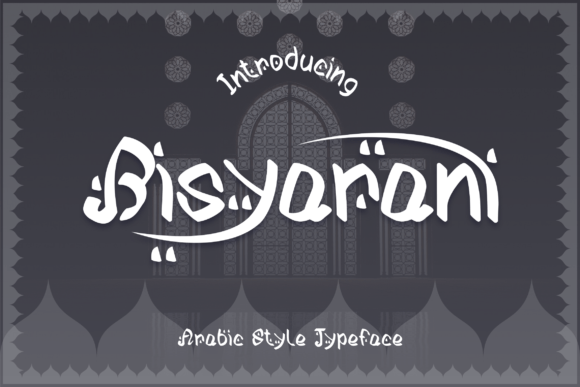
The "lovely ornaments" mentioned in its description are not merely afterthoughts; they are integral to the font's character. These decorative elements—swashes, flourishes, and intricate details within the letterforms themselves—draw inspiration from traditional Moroccan art and architecture. Think of the complex tile work of the Alhambra or the sweeping arches of historic medinas. The font translates these architectural wonders into typographic form, offering a visual texture that is rich without being overwhelming.
Perfect Pairings for Diverse Projects
One of the most common questions designers ask when adopting a new display font is, "Where does this fit?" Because Morocco is so distinctive, it requires thoughtful pairing to ensure readability while maximizing its aesthetic impact. It is rarely suitable for long blocks of body text, but as a headline or accent font, it is unparalleled.
- Wedding and Event Stationery: The romantic and exotic vibe of Morocco makes it a top choice for wedding invitations, save-the-dates, and menu cards. Its ornate nature suggests celebration and luxury.
- Hospitality Branding: Restaurants, cafes, and hotels, particularly those serving Mediterranean, Middle Eastern, or fusion cuisine, can use this font to immediately communicate their atmosphere. It works beautifully on signage and printed menus.
- Fashion and Beauty: Boutique clothing labels and cosmetic packaging often rely on unique typography to stand out on shelves. Morocco adds a touch of artisanal chic that appeals to modern consumers looking for unique products.
- Cultural Publications: For books, magazines, or brochures focusing on travel, history, or art, using Morocco for chapter headings or pull quotes can reinforce the thematic content visually.
When pairing Morocco with other typefaces, the key is contrast. Since it is heavy on detail and ornamentation, it pairs best with clean, minimalist sans-serifs or simple geometric fonts for the body copy. This allows the decorative elements of Morocco to shine without competing with the rest of the text. A stark, thin sans-serif underneath a bold, ornate Morocco headline creates a sophisticated balance between old-world charm and modern clarity.
Elevating Your Design Workflow
Incorporating a specialized font like Morocco into your workflow does more than just change the look of a single project; it expands your creative vocabulary. Having such a versatile decorative tool in your library means you never have to settle for generic solutions when a client needs something with personality. It acts as a shortcut to high-end aesthetics, allowing you to achieve a custom, hand-lettered look without the time investment of drawing letters from scratch.
Furthermore, the versatility of Morocco allows it to adapt to various color palettes and textures. It looks stunning in deep gold foil against a black background, evoking luxury and night-time elegance. Conversely, it works equally well in earthy terracottas and sandy beiges, grounding the design in natural tones. You can even apply texture overlays to the font itself—adding a paper grain or a slight distress effect—to enhance its organic roots further.
For web designers, while caution is needed regarding load times and readability on small screens, Morocco can be used effectively in hero sections or large banner images. When rendered as an SVG or a high-resolution image, the intricate details remain crisp, ensuring that the "lovely ornaments" are appreciated even on retina displays. It serves as a powerful focal point that guides the user's eye immediately to the most important message on the page.
Considerations Before Adoption
While the benefits of using Morocco are numerous, responsible design dictates that we also consider its limitations. As with any highly decorative font, legibility is the primary concern. The very ornaments that make it beautiful can become obstacles if the font size is too small or if the line spacing is too tight.
Before committing to Morocco for a project, ask yourself:
- Is the viewing distance appropriate? This font shines in large formats where the viewer has time to appreciate the details. It is less effective for small print runs like business cards unless used sparingly for a name or logo only.
- Does the context match the tone? While versatile, the specific cultural and historical echoes of the font might not suit every brand. It implies tradition, craft, and perhaps a bit of mystery. A high-tech software company or a sterile medical facility might find the aesthetic clashes with their brand values.
- How does it render across platforms? Always test the font in your final output medium. Some intricate swashes may disappear or blur when printed on low-quality paper or viewed on low-resolution screens.
Despite these considerations, the potential for Morocco to transform a mundane layout into a piece of art remains undeniable. It invites the viewer to slow down and look closer, engaging them with the design on a deeper level. In a world of fast-scrolling and quick glances, a font that commands attention through beauty is a rare and valuable tool.
The Timeless Appeal of Decorative Fonts
Trends in typography come and go, with minimalism often reigning supreme for years at a time. However, decorative fonts like Morocco possess a timeless quality that transcends fleeting fads. They tap into a fundamental human appreciation for pattern, symmetry, and decoration. By choosing a font that draws on centuries of artistic tradition, you are anchoring your design in something enduring.
Moreover, the emotional resonance of such a font cannot be overstated. Words set in Morocco feel different than words set in Arial. They feel invited, celebrated, and honored. This psychological impact is crucial for marketers and brand strategists who understand that purchasing decisions are often driven by emotion rather than logic. If your goal is to make a customer feel special, valued, or transported to another place, the right typography is the vehicle to get you there.
Ultimately, expanding your fonts library with a piece like Morocco is an investment in your creative flexibility. It provides a solution for those moments when a project demands more than just communication—it demands expression. Whether you are a seasoned graphic designer, a hobbyist crafter, or a small business owner creating your own marketing materials, having access to such an organic and beautiful resource empowers you to create with confidence.
The next time you face a blank canvas and need to inject some soul into your composition, remember the power of ornamental typography. Let the sweeping curves and intricate details of Morocco guide your hand. It is not just a font; it is a design partner ready to help you build something truly memorable. By understanding its strengths, respecting its limitations, and applying it with intention, you can ensure that your creations not only speak to your audience but also captivate them visually.