Mastering the Easter Gnome in Egg Crafting Template for Modern Makers
The intersection of traditional holiday whimsy and modern digital fabrication has opened new avenues for creators across the globe. At the forefront of this seasonal innovation is the Easter Gnome in Egg, a charming and multifaceted design that bridges the gap between simple paper crafts and sophisticated layered woodwork. This specific crafting template represents more than just a cut file; it is a comprehensive system designed for versatility, allowing hobbyists, educators, and small business owners to produce high-quality decorative items with precision. Whether utilizing a laser cutter, a CNC router, or a popular vinyl cutting machine like the Cricut, the underlying geometry of this design ensures a professional finish regardless of the tool used.
The Evolution of Layered Holiday Decor
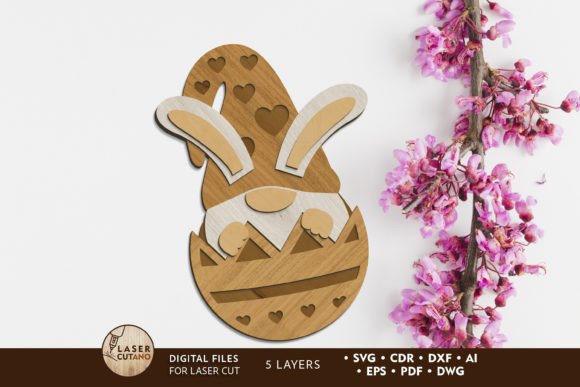
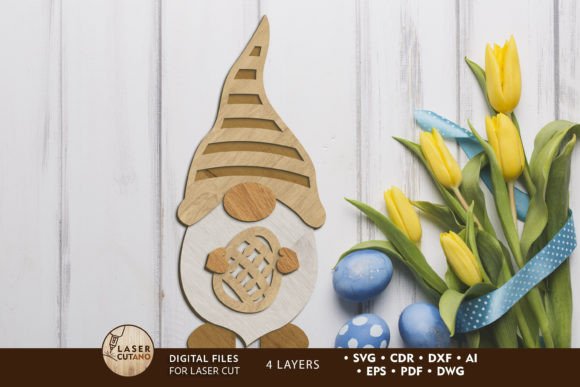
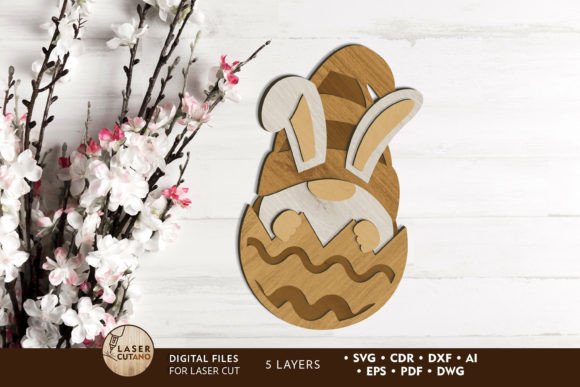
Gone are the days when holiday decorations were limited to flat, single-material cutouts. The modern consumer and creator demand depth, texture, and dimensionality. The Easter Gnome in Egg addresses this demand through its multilayer layout structure. Comprising five distinct layers, this design utilizes the principle of stacking to create a three-dimensional effect that catches light and shadow in dynamic ways. When executed correctly, the finished product measures approximately 4.34 by 7 inches, providing a substantial presence suitable for tabletop displays, hanging ornaments, or gift tags.
The concept of layering is not new to art history, but its application in DIY digital crafting has revolutionized home decor. By separating the design into discrete planes, makers can introduce varied materials and colors within a single object. For instance, the base layer might be a dark stained wood to provide contrast, while the upper layers featuring the gnome's face and hat could be painted in vibrant pastels before assembly. This approach allows for a level of customization that pre-manufactured goods simply cannot match, empowering the creator to infuse their personal style into the Easter Gnome in Egg Crafting Template.
Technical Specifications and Material Compatibility
Understanding the technical constraints and possibilities of a design file is crucial for achieving a successful outcome. The digital files provided for this project are engineered to accommodate a wide range of fabrication technologies. The package typically includes vector formats such as .AI, .SVG, .DXF, .DWG, .CDR, .EPS, and .PDF. This extensive list ensures compatibility with virtually every major software suite and hardware platform currently on the market.
For those operating laser cutters or CNC routers, the recommended material thickness falls between 3mm and 6mm (approximately 1/8 inch to 1/4 inch). Materials such as plywood, MDF, acrylic, plexiglass, and even thin metal sheets are ideal candidates. The structural integrity of the final piece relies heavily on the precision of these cuts. When working with rigid materials like wood or acrylic, the tolerance settings on the machine must be calibrated to ensure that the layers fit together snugly without requiring excessive force, which could lead to cracking.
Conversely, users of desktop cutting machines like the Cricut often work with softer substrates. Cardstock, heavy paper, vinyl, and adhesive-backed materials are perfect for this demographic. The beauty of the Easter Gnome in Egg design lies in its scalability. While the default size is optimized for the standard 5-layer depth, the vector nature of the files allows users to increase the dimensions significantly for larger displays. However, a word of caution is necessary regarding reduction: when scaling the design down, one must carefully consider the width of the thinnest elements, such as the gnome's beard strands or the eggshell details, to ensure they do not become too fragile to cut or weed effectively.
Workflow Strategies for Different Fabrication Methods
The path from a digital download to a physical masterpiece varies depending on the equipment available to the maker. Each method offers unique advantages and requires specific workflow considerations.
Laser Cutting and CNC Routing
For professionals and advanced hobbyists equipped with laser engravers or CNC machines, the process begins with importing the .DXF or .SVG file into CAM software. The multilayer nature of the Easter Gnome in Egg means that each layer must be mapped to a specific z-height or cutting pass. A common strategy involves cutting all layers from a single sheet of material if uniformity is desired, or sourcing different colored sheets for a variegated look. Post-processing is where the true artistry emerges. It is highly recommended to paint or stain the individual layers before gluing them together. Attempting to paint the assembled unit often results in missed spots in the crevices between layers. Once dry, the layers are bonded using wood glue or specialized acrylic cement, creating a solid, unified block.
Vinyl and Paper Crafting with Cricut
Users of the Cricut ecosystem will find the .SVG format particularly useful. The workflow here shifts from subtractive manufacturing (cutting away waste) to additive assembly. Makers can utilize cardstock in varying weights to mimic the rigidity of wood. A popular technique involves using adhesive vinyl for the facial features and hat details, applying them to a cardstock base before layering. This "hybrid" approach reduces the number of physical layers needed while maintaining the visual depth. The ease of use associated with these machines makes the Easter Gnome in Egg an excellent project for community workshops, classroom settings, or quick production runs for local craft fairs.
Creative Applications and Commercial Potential
The versatility of this design extends far beyond a simple shelf sitter. Creative entrepreneurs and small business owners can leverage the Easter Gnome in Egg Crafting Template to develop a diverse product line. The dimensional quality of the finished item makes it an ideal candidate for premium gift tagging. When attached to a basket of chocolates or a bouquet of spring flowers, the gnome adds a tactile element that elevates the perceived value of the gift.
In the realm of home decor, these gnomes serve as focal points for seasonal vignettes. Placed alongside moss, faux eggs, and spring florals, they anchor the theme of renewal and whimsy. Educators can also utilize this template for STEAM (Science, Technology, Engineering, Arts, and Mathematics) projects. The process of assembling the layers teaches spatial reasoning, while the painting phase encourages artistic expression. Furthermore, discussing the file formats and machine operations introduces students to the fundamentals of digital fabrication and computer-aided design.
For those looking to sell their creations, the ability to customize materials offers a competitive edge. A version made from reclaimed barn wood appeals to rustic aesthetics, while one crafted from mirrored acrylic targets a more modern, glamorous demographic. The Easter bunny bundle concepts often associated with these designs allow for the creation of coordinated sets, encouraging customers to purchase multiple units to decorate different areas of their homes.
Best Practices for Assembly and Finishing
Regardless of the chosen material or machine, the final assembly phase dictates the quality of the Easter Gnome in Egg. Alignment is paramount. When gluing the five layers, even a slight misalignment can throw off the symmetry of the gnome's face or the curvature of the egg. Using registration marks during the cutting process or employing a jig during assembly can mitigate this risk. Clamps or weighted objects should be used while the adhesive cures to ensure a flush bond.
Finishing touches can transform a good project into a great one. Adding a clear coat sealant protects painted surfaces from dust and moisture, extending the lifespan of the decoration for years of reuse. For wooden versions, a light sanding between coats of paint ensures a smooth, professional texture. If the design includes a hanging mechanism, reinforcing the attachment point with a small dowel or extra layer of material prevents breakage under the weight of the stacked layers.
The Role of Digital Files in Modern Craftsmanship
The availability of high-quality digital assets like the Easter Gnome in Egg underscores a shift in how we consume and create goods. The immediate access to .ZIP files containing multiple formats democratizes manufacturing. A user in a rural area with a basic printer can create a paper version, while an urban maker space member can produce an industrial-grade acrylic rendition from the same source file. This flexibility fosters a global community of makers who share tips, modifications, and finished photos, further enriching the ecosystem around these digital templates.
Moreover, the precision of vector graphics ensures that the design remains crisp at any scale, preserving the integrity of the artist's original vision. The inclusion of formats like .CDR and .DWG caters specifically to industrial users who may need to integrate the gnome design into larger architectural or retail display plans. This broad compatibility ensures that the Easter Gnome in Egg Crafting Template remains a relevant and useful resource for a wide spectrum of users, from the casual weekend crafter to the professional fabrication specialist.
In conclusion, the fusion of timeless Easter imagery with advanced cutting technology creates a powerful tool for expression. The Easter Gnome in Egg is not merely a pattern; it is a platform for creativity. By understanding the materials, respecting the technical specifications, and applying thoughtful finishing techniques, makers can produce stunning decorative items that capture the spirit of the season. Whether for personal enjoyment, educational purposes, or commercial venture, this template stands as a testament to the endless possibilities inherent in modern digital crafting.