Marshberry Hairy: The Whimsical Sans-Serif Font Bringing Fuzzy Charm to Digital Design
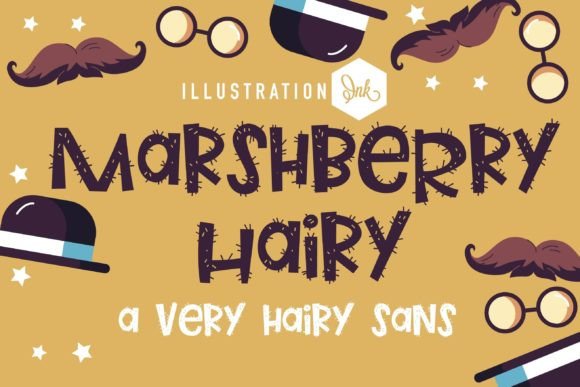
In the vast and ever-expanding universe of typography, finding a typeface that strikes the perfect balance between readability and personality can feel like searching for a needle in a haystack. Most designers are familiar with the strict dichotomy of serif fonts, known for their traditional "feet," and sans-serif fonts, which offer clean, modern lines. However, nestled comfortably between these categories is a unique stylistic niche occupied by Marshberry Hairy. This playful font eschews the rigid structure of traditional letterforms, replacing those little feet with tiny, whimsical whiskers that poke out here and there, creating a distinctively cute and fuzzy feel.
For creators looking to inject a touch of joy into their projects, understanding the nuances of Marshberry Hairy is essential. It is not merely a collection of letters; it is a design tool capable of altering the emotional temperature of a message. Whether you are a seasoned graphic designer or a small business owner creating your first flyer, exploring this font can open new avenues for creative expression.
Deconstructing the Aesthetic: What Makes Marshberry Hairy Unique?
To truly appreciate Marshberry Hairy, one must first understand its structural DNA. As described in its foundational characteristics, this is a playful font without those little feet on the letters. In typographic terms, this classifies it broadly within the sans-serif family, but with a significant twist. Traditional sans-serifs aim for geometric purity or humanist warmth through smooth curves. Marshberry Hairy, conversely, introduces intentional imperfection.
The defining feature of this typeface is the presence of tiny whiskers. These are not random glitches or rendering errors; they are deliberate design choices that mimic the texture of fur or the softness of a marshmallow. These protrusions break the visual silence of a standard stroke, adding a tactile quality to digital text. When a reader sees these letters, the brain subconsciously associates the jagged, soft edges with organic materials, evoking feelings of comfort, approachability, and fun.
This "fuzzy" aesthetic serves a specific psychological purpose. In a digital landscape dominated by sleek, high-contrast, and often cold corporate typography, Marshberry Hairy acts as a visual palate cleanser. It signals to the audience that the content following it is not meant to be taken with deadly seriousness. It invites the reader to relax, smile, and engage with the material on a more emotional level.
The Practical Relevance in Modern Branding
Why does a font with whiskers matter in the context of modern business and branding? The answer lies in the concept of brand personality. Companies today are no longer just selling products; they are selling identities. A law firm might opt for a stern serif font to convey authority, but a boutique bakery, a children's toy store, or a pet care service needs a voice that feels warm and inviting.
Using Marshberry Hairy in these contexts can significantly enhance brand recall. Consider a logo for a new line of organic baby clothes. A standard Helvetica might look too clinical. However, rendering the brand name in Marshberry Hairy instantly communicates softness and safety. The "whiskers" on the letters subtly reinforce the idea of fabric texture and gentleness, aligning the visual identity with the product's physical attributes without saying a word.
Furthermore, in the realm of social media marketing, where attention spans are fleeting, visual distinctiveness is currency. Posts featuring unique typography tend to stop the scroll more effectively than generic text overlays. By utilizing a font that naturally draws the eye through its quirky details, marketers can increase engagement rates on platforms like Instagram and Pinterest.
Applications Across Industries and Creative Projects
The versatility of Marshberry Hairy extends far beyond logos. Its ability to add a touch of whimsy makes it suitable for a wide array of applications across education, technology, and daily creative activities.
- Educational Materials: Teachers and educational content creators can use this font to make learning materials less intimidating for young students. Worksheets, classroom posters, and presentation slides gain a friendly demeanor that encourages participation.
- Packaging Design: For consumer goods, particularly in the food and beverage sector, the "fuzzy" look suggests artisanal quality and homemade charm. Think of jam jars, cookie packages, or craft soda labels.
- Greeting Cards and Stationery: The inherent cuteness of the font makes it a natural fit for birthday cards, party invitations, and thank-you notes where the goal is to evoke happiness.
- Digital Interfaces: While not suitable for long-form body text due to its decorative nature, Marshberry Hairy works wonderfully for button labels, error messages that need to be gentle, or onboarding screens in apps designed for children or lifestyle enthusiasts.
It is important to note, however, that context is king. While this font excels in creative and casual environments, it may not be the appropriate choice for formal legal documents, medical warnings, or high-end luxury branding that relies on minimalism and exclusivity. Understanding when to use Marshberry Hairy is just as important as knowing how to use it.
Clarifying Common Misunderstandings
A common assumption among beginners in graphic design is that "playful" fonts lack professionalism. This is a misconception. Professionalism is not defined solely by rigidity; it is defined by the appropriateness of the design choice for the target audience. Using Marshberry Hairy for a children's book cover is a highly professional decision because it speaks directly to the demographic. Conversely, using a stark, industrial font for the same book would be unprofessional because it fails to connect with the reader.
Another misunderstanding involves legibility. Some critics argue that decorative elements like whiskers reduce readability. While it is true that Marshberry Hairy should not be used for dense paragraphs of text (body copy), it shines in headlines, titles, and short phrases. At larger sizes, the unique details become features rather than obstacles, enhancing the character of each letter without obscuring its identity.
Integrating Whimsy into Your Workflow
Incorporating Marshberry Hairy into your design workflow is straightforward, but it requires a thoughtful approach to pairing. Because the font is so distinctive, it pairs best with neutral, clean sans-serif fonts for body text. This creates a visual hierarchy where the headline grabs attention with its personality, while the supporting text remains easy to read.
For example, if you are designing a poster for a community garden event, you might set the event title in Marshberry Hairy to evoke the organic, earthy, and fun nature of gardening. For the date, time, and location details, you would switch to a simple, geometric sans-serif. This contrast ensures that the most important information stands out while maintaining a cohesive and aesthetically pleasing layout.
Moreover, color plays a pivotal role in maximizing the impact of this font. The "hairy" texture interacts beautifully with pastel color palettes, enhancing the soft, dreamy quality. However, it can also create a striking contrast when rendered in bold, vibrant colors against a dark background, making the whiskers pop with energy.
The Future of Expressive Typography
As we move further into an era where digital experiences strive to feel more human and less robotic, fonts like Marshberry Hairy are becoming increasingly significant. They represent a shift away from the sterile perfection of early web design toward a more expressive, emotive digital language. Designers and creators who embrace these tools are better equipped to build connections with their audiences in a meaningful way.
In conclusion, Marshberry Hairy is more than just a novelty item in a font library. It is a powerful communicative device that leverages texture and form to evoke specific emotions. By replacing the rigid feet of traditional typography with soft, playful whiskers, it offers a unique solution for projects requiring warmth and whimsy. Whether you are crafting a brand identity, designing educational content, or simply adding a personal touch to a digital project, this font provides the perfect vehicle to let your creativity run wild. Embracing such distinctive typefaces allows us to remember that in design, as in life, a little bit of fuzziness can make things feel a whole lot more welcoming.