Dog Typeface: Whimsical Charm for Creative Projects
In the vast landscape of digital typography, finding a font that genuinely evokes nostalgia without sacrificing readability is a rare discovery. Dog stands out as a distinctive typeface that bridges the gap between childhood whimsy and professional design utility. Unlike standard sans-serifs or rigid serifs, this font family captures the uneven, hand-drawn spirit of early storytelling. It is not merely a collection of characters; it is a stylistic tool designed to inject warmth, approachability, and a touch of fairy-tale magic into visual communications. For designers, marketers, and creators looking to soften their brand voice or add a layer of human connection to their work, understanding the nuances of Dog offers a pathway to more engaging results.
The Character of Dog: More Than Just Cute
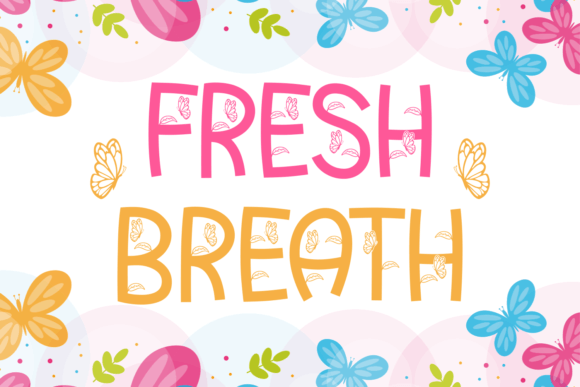
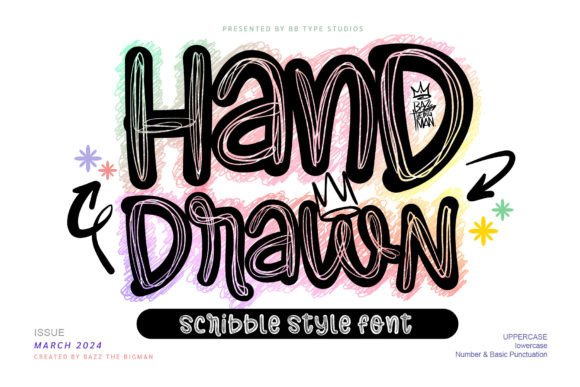
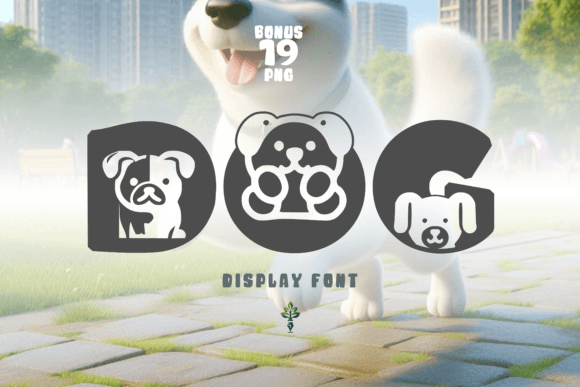
At its core, Dog is defined by its organic irregularities. The strokes mimic the pressure variations of a marker or crayon, creating an immediate sense of authenticity. This "imperfect" quality is precisely what makes it so effective in a digital world often dominated by pixel-perfect geometry. When you utilize Dog, you are signaling to your audience that there is a human hand behind the message. This psychological cue is powerful for building trust and lowering barriers between a brand and its customers.
The font's structure balances playfulness with legibility. While the terminals may curve unexpectedly and the baseline might dance slightly, the letterforms remain distinct enough to ensure that the message is never lost. This makes it suitable for more than just decorative headers; with careful sizing and spacing, it can serve as a primary voice for short-form content where personality is paramount.
Strategic Applications for Branding and Marketing
For small business owners and entrepreneurs, the choice of typography can define a brand's entire personality. Dog is particularly effective for industries rooted in care, creativity, and community. Consider the following practical applications:
- Boutique Packaging: A local bakery or artisanal soap maker can use Dog on labels to suggest handmade quality. The font reinforces the narrative that the product was crafted with love, not mass-produced in a factory.
- Campaign Headers: Marketers running seasonal campaigns, especially those targeting families during holidays, can use Dog to create an inviting atmosphere. It works exceptionally well for "Back to School" promotions or summer sale announcements.
- Social Media Graphics: In a feed cluttered with polished corporate imagery, a quote card set in Dog stops the scroll. Its informal nature feels native to platforms like Instagram and Pinterest, where users seek authentic connection over corporate polish.
However, restraint is key. Because Dog carries such a strong personality, it should generally be paired with a neutral, clean sans-serif for body text. This contrast ensures that while the headline grabs attention with charm, the detailed information remains easy to digest.
Designing for the Next Generation
Educators, parents, and publishers focusing on children's content will find Dog to be an invaluable asset. Children respond positively to typefaces that resemble their own developing handwriting or the illustrations in their favorite storybooks. Using Dog in educational materials does more than look nice; it creates a friendly learning environment.
Practical ideas for this demographic include:
- Nursery Décor: Wall decals featuring inspirational quotes or the alphabet in Dog add a soft, welcoming texture to a child's room without feeling sterile.
- Worksheet Headers: Teachers can create custom worksheets where the instructions feel less like a command and more like a gentle guide, reducing anxiety for younger students.
- Storybook Layouts: Self-publishing authors can use Dog for chapter titles or speech bubbles within illustrations to maintain a cohesive, storybook aesthetic throughout the project.
When designing for children, color plays a massive role alongside typography. Dog performs beautifully when paired with vibrant, saturated colors, but it also holds its own in monochrome settings, proving its versatility across different print and digital mediums.
E-Commerce and Web Integration
In the realm of web design, fonts like Dog are often relegated to logos, but they have broader potential when used strategically. For e-commerce sites selling lifestyle products, baby wear, or pet supplies, integrating Dog into specific UI elements can enhance the user experience. Imagine a "Add to Cart" button or a promotional banner for a new collection that uses this typeface. It breaks the monotony of standard web grids and adds a dynamic interaction point.
Web developers should note that variable font technologies or high-resolution SVG implementations are recommended to preserve the delicate, hand-drawn edges of Dog on high-DPI screens. Ensuring the font renders crisply on mobile devices is crucial, as a significant portion of traffic will come from smartphones where screen real estate is limited.
Maintaining Clarity and Consistency
While the enchanting world of Dog invites creativity, successful design requires discipline. The biggest pitfall with highly stylized fonts is overuse. If every element on a page screams for attention, nothing stands out. To keep your projects professional and effective:
- Establish Hierarchy: Reserve Dog for H1 and H2 headings. Use a simple, readable font for paragraphs and data tables.
- Mind the Kerning: Hand-drawn fonts sometimes require manual adjustment of letter spacing (kerning) to ensure optimal readability, especially at smaller sizes or in all-caps scenarios.
- Context Matters: Avoid using Dog for serious legal disclaimers, financial reports, or emergency notifications. The playful tone can undermine the gravity of critical information.
Consistency builds recognition. If you choose Dog as part of your brand identity, apply it consistently across your website, email newsletters, and physical merchandise. This repetition helps audiences instantly associate the visual style with your specific message or product.
Fueling Your Creative Process
Ultimately, typefaces like Dog are catalysts for ideas. They encourage designers to step away from the grid and embrace a more organic workflow. Whether you are drafting a greeting card that needs to feel personal, designing a t-shirt graphic that tells a story, or building a landing page that converts through emotional connection, this font offers a unique vocabulary.
Experimentation is encouraged. Try layering Dog over textured backgrounds, mixing it with hand-drawn icons, or animating the letters for digital displays. The goal is to let the typography serve the concept, not overpower it. By grounding your creative choices in the specific needs of your audience—whether they are parents looking for comfort, shoppers seeking uniqueness, or students needing encouragement—you transform a simple font file into a powerful communication tool.
The journey with Dog is about finding the balance between fun and function. It invites you to infuse your projects with vitality while maintaining the clarity required for effective communication. As you explore its characters and integrate them into your workflow, you will likely find that this typeface does more than just display text; it sets a mood, tells a story, and leaves a lasting impression on anyone who encounters your work.